
Choose the right swimming lesson program with this comprehensive evaluation guide. Learn what to look for in facilities, instructor qualifications, curriculum design, and teaching philosophy from experienced swim educators.
Selecting the appropriate swimming lesson program represents one of the most important safety decisions families make, particularly in Queensland where water surrounds our daily lives. At Family Aquatics, our family-owned approach to aquatic education since 2020 has taught us that not all swim schools provide equal quality, safety standards, or teaching expertise. This comprehensive guide draws on insights from our diverse team, including instructors with AUSTSWIM certifications, Swim Australia coaching qualifications, competitive swimming backgrounds, and extensive childcare experience totaling over 40 years combined. These five evaluation criteria help North Brisbane families identify high-quality programs that prioritize genuine skill development over profit-driven rapid progression. Whether you are enrolling your first child or seeking better instruction after disappointing experiences elsewhere, this guide ensures you make informed decisions based on facility safety, instructor credentials, curriculum structure, practical considerations, and teaching philosophy.
1. Assess the facility’s safety standards and environment
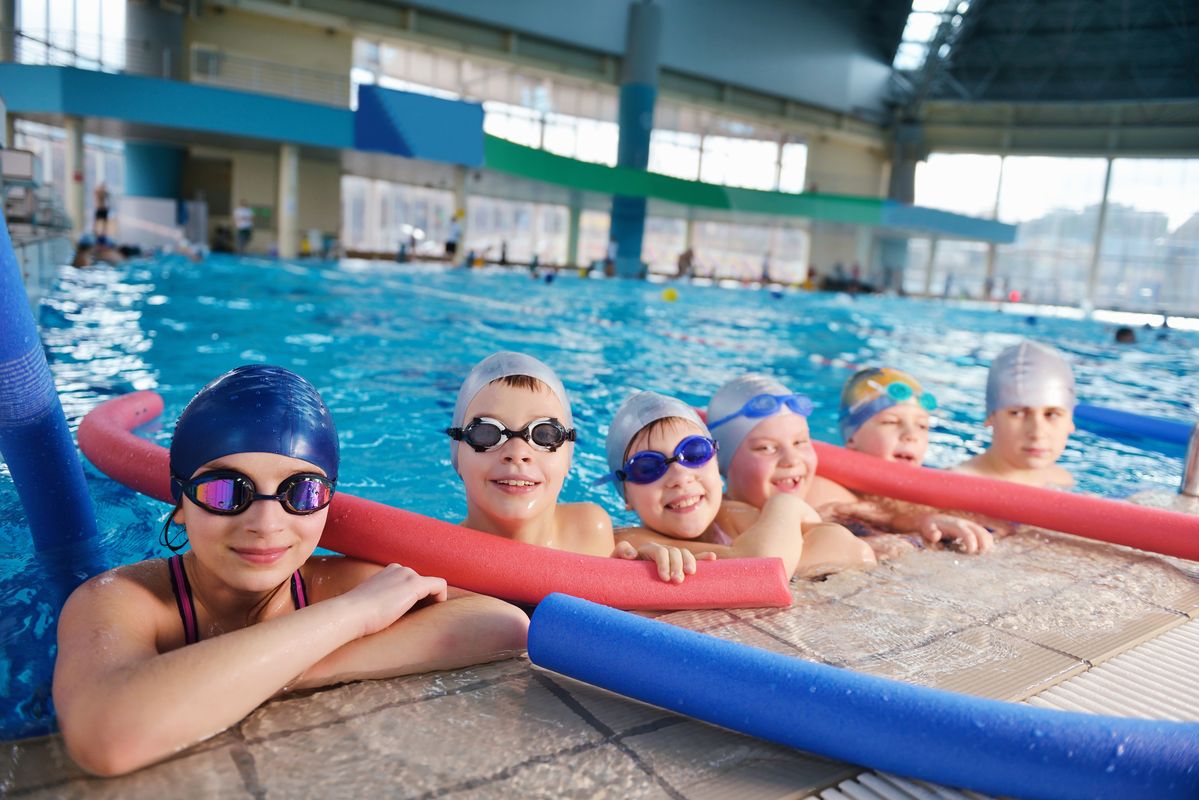
Visit potential swim schools to evaluate pool cleanliness, water temperature consistency, and overall facility maintenance. At Family Aquatics, our mineral pool maintains a minimum 32-degree temperature year-round and features indoor climate control. Observe instructor-to-student ratios during active lessons, noting whether teachers provide adequate supervision and individualized attention. Check for safety equipment visibility, clear emergency protocols, and appropriate depth markings. Family-owned operations like ours often maintain more personalized safety oversight compared to large franchise operations. A well-maintained, properly supervised environment directly impacts learning outcomes and your peace of mind.
2. Verify instructor qualifications and teaching experience
Research the credentials and backgrounds of instructors who will teach your child. Quality swim schools employ teachers with recognized certifications such as AUSTSWIM, Swim Australia coaching qualifications, and specialized infant/preschooler credentials. Our Family Aquatics team brings diverse expertise including competitive swimming backgrounds, formal teaching qualifications, and extensive childcare experience totaling over 40 years combined. Ask about instructor training requirements, ongoing professional development, and specializations. Experienced teachers like our assistant manager Ryan, who has taught since 1994, bring refined teaching methods and can adapt to different learning styles effectively.
3. Evaluate the curriculum structure and progression system
Examine how the program structures skill development from beginner through advanced levels. Family Aquatics implements a comprehensive 12-phase Learn-to-Swim Program built on Laurie Lawrence’s principal teachings, ensuring systematic progression based on individual competency rather than arbitrary age groupings. Quality programs clearly define skills required for each level, provide recognition for achievements, and offer transparent communication about student progress. Inquire whether advancement occurs through demonstrated skill mastery or automatic time-based promotion. Curricula that prioritize genuine water competency and safety over rapid progression produce more confident, capable swimmers.
4. Consider practical factors including location and scheduling flexibility
Select a swim school that fits realistically within your family’s routine to enable consistent attendance essential for skill development. Family Aquatics operates six days weekly with morning and afternoon lesson options, accommodating diverse family schedules across North Brisbane. Consider travel time, parking availability, and whether lesson times complement work commitments and siblings’ activities. Facilities offering year-round operation without seasonal closures, like our heated indoor pool, provide scheduling consistency. Assess whether the school offers makeup lessons for unavoidable absences and whether they provide private, semi-private, or small group options to suit your child’s learning preferences.
5. Observe the teaching philosophy and family atmosphere
Spend time watching actual lessons to gauge the school’s approach to instruction and child engagement. Notice whether instructors use positive reinforcement, how they handle hesitant or upset children, and whether students appear engaged and happy. Family Aquatics operates on core family values, reflected in our parent-friendly amenities including a viewing room, play area, and mini cafe. Our mother-daughter founding team understands family dynamics from personal experience. Schools that welcome parent observation, provide comfortable waiting areas, and treat families as partners in the learning process typically create more supportive environments where children thrive.