
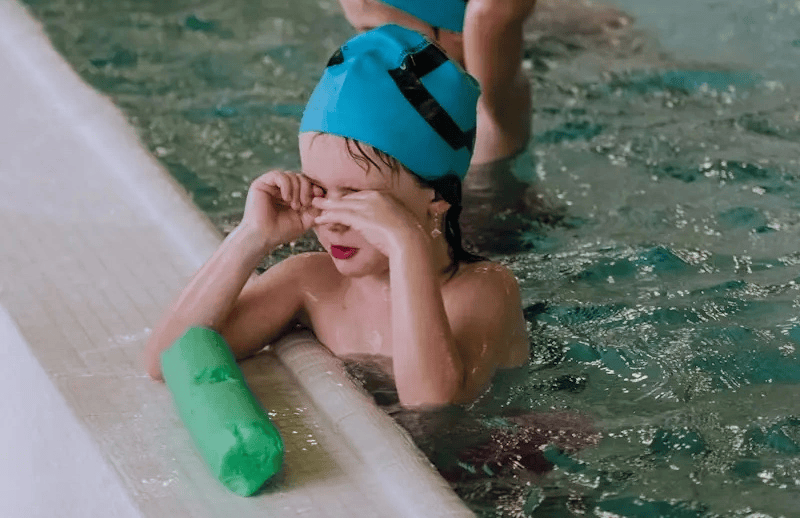
Help anxious or fearful children overcome swimming lesson anxiety with gentle, proven techniques. Family Aquatics’ experienced instructors share strategies for building water confidence in hesitant young swimmers.
Water-related anxiety affects many children beginning their swimming journey, and addressing these fears with understanding and proven techniques makes the difference between lifelong water confidence and persistent avoidance. At Family Aquatics, our small class sizes and experienced instructors, including teachers with specialized infant and preschooler qualifications, have successfully guided countless hesitant swimmers to comfort and competency in our heated North Brisbane pool. This guide shares gentle, effective strategies developed through decades of teaching experience, including insights from manager Lorna’s background in competitive swimming and eight years in childcare, where she learned to recognize and address childhood anxieties. These five approaches acknowledge the validity of water fears while providing practical pathways to overcome them, ensuring your child develops crucial water safety skills in our supportive, family-values-based environment where instructors never rush progression before genuine confidence emerges.
1. Acknowledge fears without reinforcing them
Listen carefully when your child expresses swimming-related anxiety, validating their feelings without amplifying concerns. Say “I understand the pool feels big right now” rather than “There is nothing to be scared of,” which dismisses genuine emotions. Share that many children initially feel uncertain about swimming lessons, and our Family Aquatics instructors specialize in building confidence gradually. Avoid projecting your own water anxieties if you have them, as children readily absorb parental apprehension. Our experienced team, including instructors with specialized infant and preschooler qualifications, understands childhood fears and employs gentle techniques proven effective over decades of teaching.
2. Start with observation visits before participation
Bring your child to Family Aquatics purely as an observer for their first visit, allowing them to watch other children enjoying lessons from our parents room without any pressure to enter the water themselves. Let them see the indoor heated pool environment, notice the warm 32-degree temperature, and observe instructors interacting positively with students. Point out children who look happy and engaged, and identify specific fun activities happening during lessons. This no-pressure exposure helps anxious children mentally prepare and realize that swimming lessons occur in a safe, controlled, friendly environment rather than the frightening scenario they might have imagined.
3. Establish a predictable pre-lesson routine
Create a consistent sequence of activities before each swimming lesson to provide security through predictability. This might include the same breakfast, putting on swimwear at home, bringing a comfort item in the car, and arriving at the same time each week. Predictable routines reduce anxiety by eliminating unknowns, allowing children to focus mental energy on the lesson itself rather than worrying about logistics. At Family Aquatics, our small class sizes and consistent instructor assignments further support this stability. Children assigned to the same qualified instructor weekly develop trust relationships that significantly ease water-related fears.
4. Communicate privately with the instructor about specific concerns
Before lessons begin or away from your child’s hearing, inform your Family Aquatics instructor about particular fears, past negative water experiences, or sensory sensitivities. Our diverse team includes teachers with extensive childcare backgrounds who understand various anxiety triggers and can modify their approach accordingly. They might introduce water activities more gradually, allow the child to stay in shallower areas initially, or incorporate preferred toys or games. Avoid discussing these concerns in front of your child, which can reinforce anxiety. Trust that our instructors, with over 40 years of combined experience, have successfully guided countless hesitant swimmers to confidence.
5. Celebrate participation over performance initially
For anxious children, attending the lesson and remaining in the pool represents significant achievement even if they do not attempt every activity. Praise effort, bravery, and trying new things rather than focusing exclusively on skill acquisition. After lessons, highlight specific moments of courage: “I was so proud when you put your face in the water today, even though that felt scary.” Our Family Aquatics instructors use positive reinforcement and recognition rewards aligned with this philosophy. As confidence builds through repeated positive experiences in our safe, supportive environment, fearful children typically transition to focusing on skill development naturally.
